


How Safe is Our Drinking Water in the Philippines?

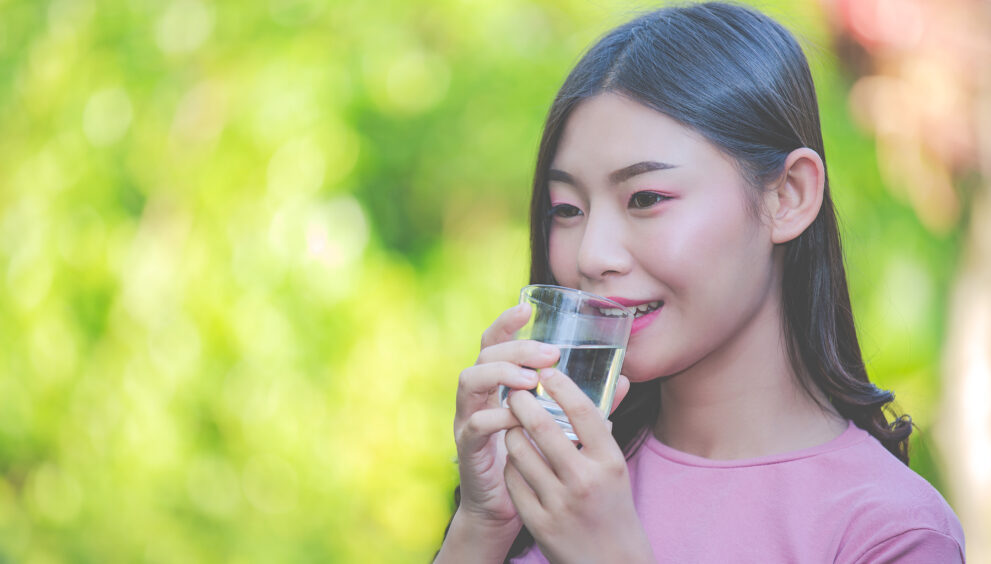
Water is a human need. It is an essential part in our daily lives. We need it for personal and domestic use but most of all we need it for drinking to hydrate ourselves and survive. It is advised that we need to drink 8 to 10 glasses of water daily to stay healthy, but in a tropical country like ours, we drink more than the daily recommended intake because of the hot and humid weather. Aside from adequate amounts, our water should be free from dangerous bacteria and chemicals so that it would be clean and safe for drinking. With this in mind, the question that hangs in our heads is “How safe is our drinking water?”
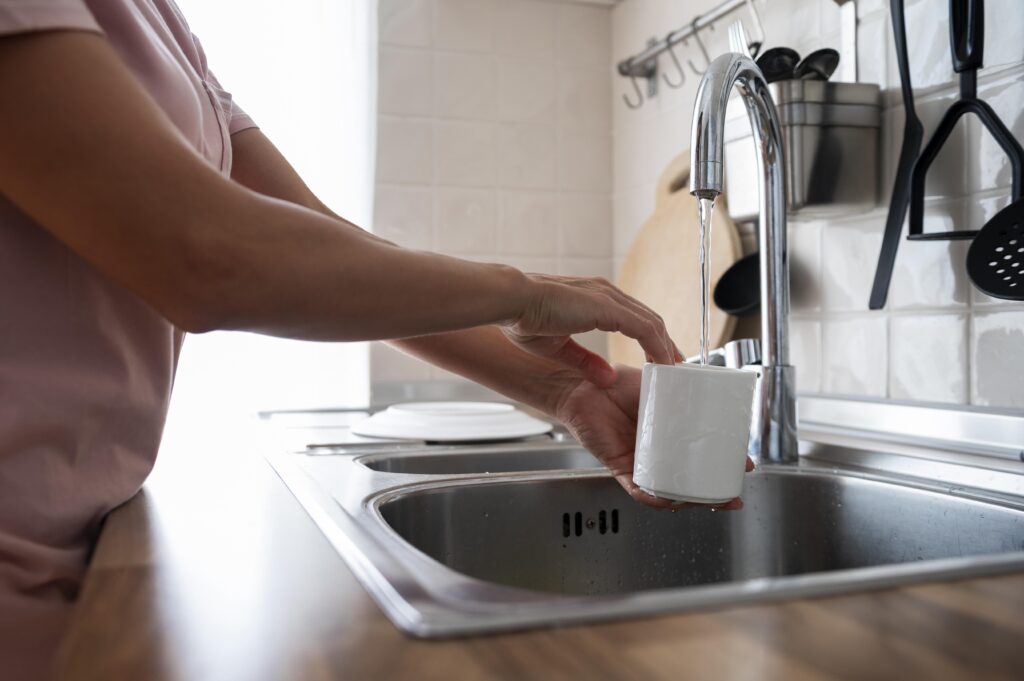
We Filipinos have a big situation in our hands, our drinking water. Why? Because we are not sure if the water from our faucet or tap water is safe to drink. There are many cases in Manila and surrounding areas that people, Filipinos and foreigners alike, have gotten sick from drinking unclean or contaminated water. This kind of water greatly affects the children that is why there are outbreaks of cholera, typhoid fever, amoebiasis and other waterborne diseases that if not treated early would cause death. Provinces have this kind of problems too. Because of this, many rely on bottled water and water bought from refilling stations to be safe.
According to an article in GMA News Online, Kantar, the local arm of a global market research firm, regularly monitors the purchasing behavior of households toward fast-moving consumer goods, or those that are used on a daily basis such as water. A growing number of Metro Manila households is resorting to water from refilling stations amid concerns over the safety of tap water, notes the research group. In a household panel study, Kantar reports that over 6 out of 10 Metro Manila households bought water from refilling stations at least once in 2010 alone.
The trend is by no means unique to Metro Manila. The entire country posted a 9-percent increase in the demand for water from refilling stations in the same period, according to Kantar. Compared to other urban areas in the Philippines, however, it is Metro Manila that has the most number of residents who consider water from refilling stations “safer.”
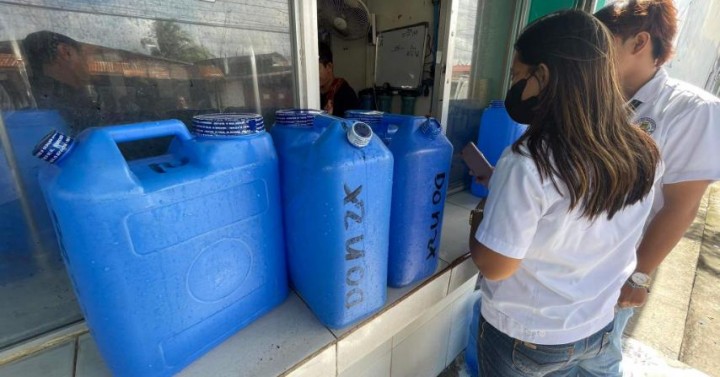
Because of the growing need to safe drinking water, water refilling stations sprouted in almost every corner of our country. Their business is growing because in some areas there are still no available supply from piped-water systems and in other areas the people want to be certain that the water they drink are free from contaminants and harmful chemicals. According to a study, most shops produce between 3,000 and 12,000 liters of water per day. Typically, the supply comes from the pipes of municipal concessionaires. Entrepreneurs invest in treatment equipment and further purify their product before sale.
Other shops are likely supplied by unauthorized or illegal deep well diggings. A proliferation of these private sources could have detrimental effects on groundwater reserves and subject them to contamination.
The government has accepted private water shops as a necessary weapon in the fight against waterborne disease and regulates their quality control practices and final product as much as possible. However, given the large number of shops, it is difficult to adequately monitor the entire industry.
But are we really just going to rely on bottled water and refilling stations to be able to drink safe water? What about the people who couldn’t afford to buy safe and clean water? Will we just let them get sick because of their situation? And also, are we sure that the water from those thousands of refilling stations safe?
I think that we should get back to the source.
In an article from Inquirer.net.News from Cebu, it says that people take water supply for granted instead of treating it like a precious resource, which I think is very true. In Cebu, the problem is more pronounced where 80 percent of the supply is pumped out of the ground, straining the aquifer.
“This is a wake- up call,” said Architect Socorro Atega, executive director of the Uniting for Sustainable Water at the second River Summit last 2013 held in Cebu International Convention Center. “Drinking water is diminishing with the increasing demand from a growing population. We should address this concern.”
She urged academic institutions to use their expertise and knowledge to conduct research and identify springs, rivers and communal water sources to help barangays. Then the water should be checked for quality and quantity.
Cebu City has five river systems – Buhisan, Bulacao, Butuanon, Guadalupe and Lahug which serve as channels and drainage systems of different barangays. Some like the Guadalupe River, the biggest system, is considered biologically dead due to domestic and commercial pollution. The Department of Environment and Natural Resources opened Cebu Water Conservation Month last Sept. 20, 2013 with the theme “Water Security for a Sustainable Cebu”.
And in a study conducted by Greenpeace said that the industry’s unfettered disposal of toxic materials and byproducts into our water supply plays a huge role in the growing water crisis. In the Philippines alone, chemical pollution is quickly taking its toll on our limited supply of fresh water. A lethal cocktail of hazardous chemicals are being dumped daily into such major water sources as the Laguna Lake and the Pasig River. Data from the Environmental Management Bureau (EMB) of the Philippines showed that out of the 127 freshwater bodies that they sampled, 47% percent were found to have good water quality. However, 40% of those sampled were found to have only fair water quality, while 13% showed poor water quality.
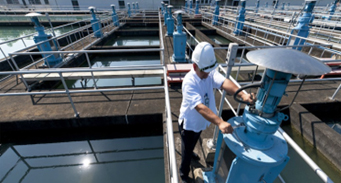
Most alarming of all was a statement from then Environment Secretary Angelo Reyes that as many as 50 of the 421 rivers in the Philippines are already considered “biologically dead.” Biologically dead rivers no longer contain any oxygen and cannot support any but the hardiest kinds of species. If this dangerous and toxic practice continues, a bleak, waterless landscape may not be far from our country’s future.
In another report made by Greenpeace it said that the pollution of our water resources came from domestic/municipal wastewater discharges, agricultural wastewater and industrial wastewater. It is stated in the report that domestic/municipal wastewater discharges contribute highest to the BOD (biochemical oxygen demand) load as the lack of sewage treatment system allows more than 90 percent of inadequately treated domestic sewage to be discharged into surface waters, which contain bacteria and viruses that threaten human life.
Pollution of rivers, streams, and lakes contaminate ground and surface waters, thus exposing the population to environmentally-related diseases. The relationship between polluted water and disease has now been firmly established and accepted.
Much of the surface water in urban areas is a public health risk while rural surface waters are also sources of disease. The World Bank estimates that exposure to water pollution and poor sanitation account for one-sixth of reported disease cases, and nearly 6,000 premature deaths per year. The cost of treatment and lost income from illness and death due to water pollution is pegged at PHP6.7 billion (US$134 million) per year.
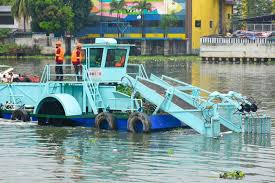
Pollution of our water resources such as untreated wastewater discharges affects human health through the spread of disease-causing bacteria and viruses. Some known examples of diseases that may be spread through wastewater discharge are gastro-enteritis, diarrhea, typhoid, cholera, dysentery, hepatitis, and, recently, Severe Acute Respiratory Syndrome (SARS).
Due to arising problems on health and the extensive pollution happening in our waters several international organizations are helping our country to come up with solution.
The World Health Organization (WHO) introduced WSP or Water Safety Plan in the Philippines in 2006 with support from Australian Agency for International Development (AusAID). Its concept was included in the 2007 Philippine National Standards for drinking water.
The WSP, according to WHO, is the most effective means of maintaining a safe supply of drinking water. WSP is necessary for the future of a clean and safe drinking water for us. The WSPs analyzes the risk of contamination, from the water source to the consumer. If risks happen at any given point there will be appropriate control measures put in place.
Maynilad Water Services of the west zone was the pioneer in producing and implementing a Water Safety Plan (WSP) that covers all phases of their operations from the water collection, treatment up to the end of their pipeline in 2007. After a short while, Manila Water from the east zone followed, completing its plan in 2010. And with the help of the Local Water Utilities Administration (LWUA), other districts across the country are developing their own WSPs.
WSPs have helped both Maynilad and Manila Water identify the key risks and prioritize their investment through the system. The WSPs have shown that securing future supplies is a top priority. However, there is a shortage of good quality water sources because of contamination from industrial, agricultural and untreated household waste. With only 7% of the population connected to a sewerage system, water providers are prepared for many years of investment and hard work to achieve and maintain the goal of safe drinking water for all.
In identifying those problems, they started working with local communities to change traditional livelihood practices that contaminate catchment water. They taught them that illegal logging, soil erosion due to deforestation have a big role to the threat on the quality of water. Repairs and replacements of pipes were started to minimize and/or stop leakages that adds to the contamination of water and illegal connections throughout the city.
Wastewater treatment was given increased attention to protect water sources, prevent contamination of water supply and have expanding options for new water sources in the future. By increasing the treatment of sludge from septic tanks to reduce the amount of raw sewage that enter the rivers, they would eventually become new water sources. The WSPs were made to ensure water safety for all.
Upon evaluation of all of these articles and studies I had an insight on how water was treated before and now. A lot of factors affected the state of drinking water in our country. Pollution, population and lack of knowledge were the causes why we have these water problems.
Government units, water companies and international organizations are helping each other to reclaim safe and clean water for the whole country. We, as the citizen of this country, should do our part. We should be knowledgeable and open-minded on the ways to help save the future of our waters so that we and the generations ahead would have access to safe and clean drinking water in our homes.
Resources: GMA Network News, Koshland Science Museum, Philippine Daily Inquirer, Greenpeace
Images from Google.com

A WordPress Commenter
02nd Sep 2025Hi, this is a comment.
To get started with moderating, editing, and deleting comments, please visit the Comments screen in the dashboard.
Commenter avatars come from Gravatar.